
With consummate fluency, the plot is structured around a period in Bill Evans’s life when the perfect triangle of his band lost one of its sides with the death of his bass player, and the frustration of his family’s attempts to guide him through his grief.
The smoke and grime of 1960s New York is brilliantly evoked through Piers McGrail’s monochrome photography, whose balance of darkness and light suggests the struggle hidden beneath the character’s professional veneer, just as elements of his music hint at the melancholy beneath its smooth, articulate surface.
Instead, director Grant Gee establishes a conspicuous rhythm of stylistic choices, such as cleverly matched transitions and intricate compositions whose only tool is the spectrum from black to white. Thus he combines the elegance of a measured photomontage and the thematic visual poetry of early Orson Welles.
Clearly, editor Adam Biskupski has also studied Jean-Luc Godard, overlapping the particles of the story at key moments, cutting between two different scenes and flattening time in an attempt to mimic the memories of a protagonist whose mind has recently been smashed to smithereens.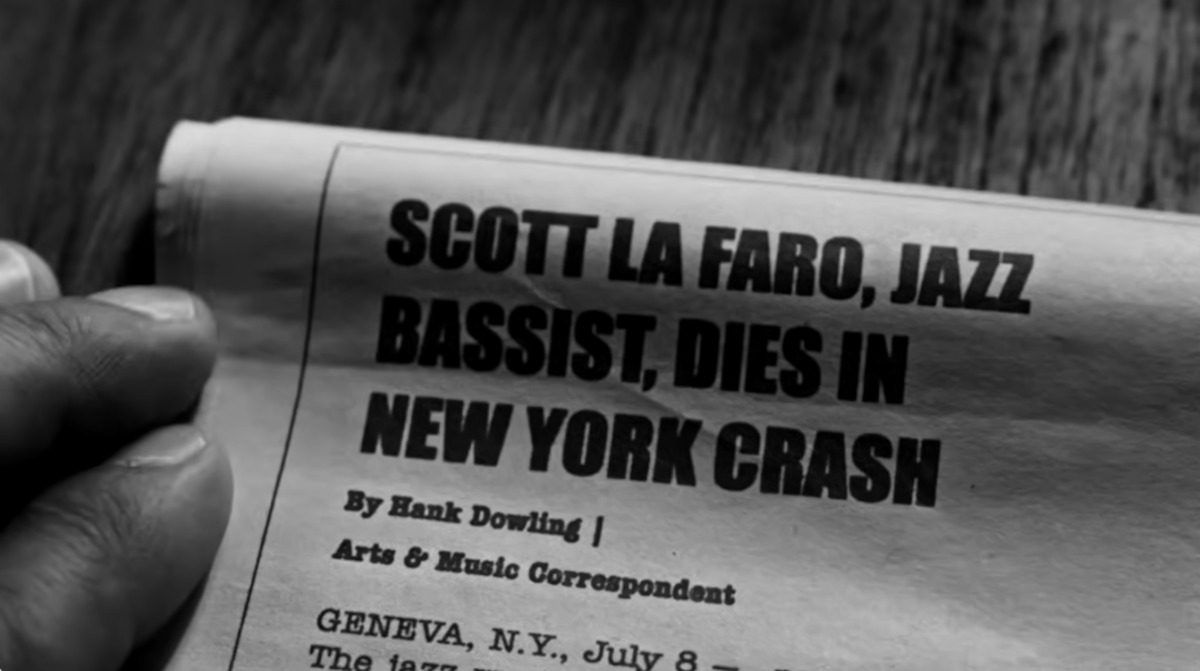
In relocating Evans from the stage to a banal family home, his artistic temperament is analysed with the wry detachment of a disapproving parent, rather than indulged as the un-haggled price of genius. That’s an interesting dramatic seam to mine, and rather than relegate it to the ‘origin story’ part of the narrative, the entire film is built around it.
Much as the camera is precisely trained on his impassive face, Anders Danielsen Lie resists it with the same exquisite self-control as one feels from his character’s playing. The edge of the light divides his features as if he can’t decide how he feels about the devastating loss of his bandmate – is its cost mostly personal or musical?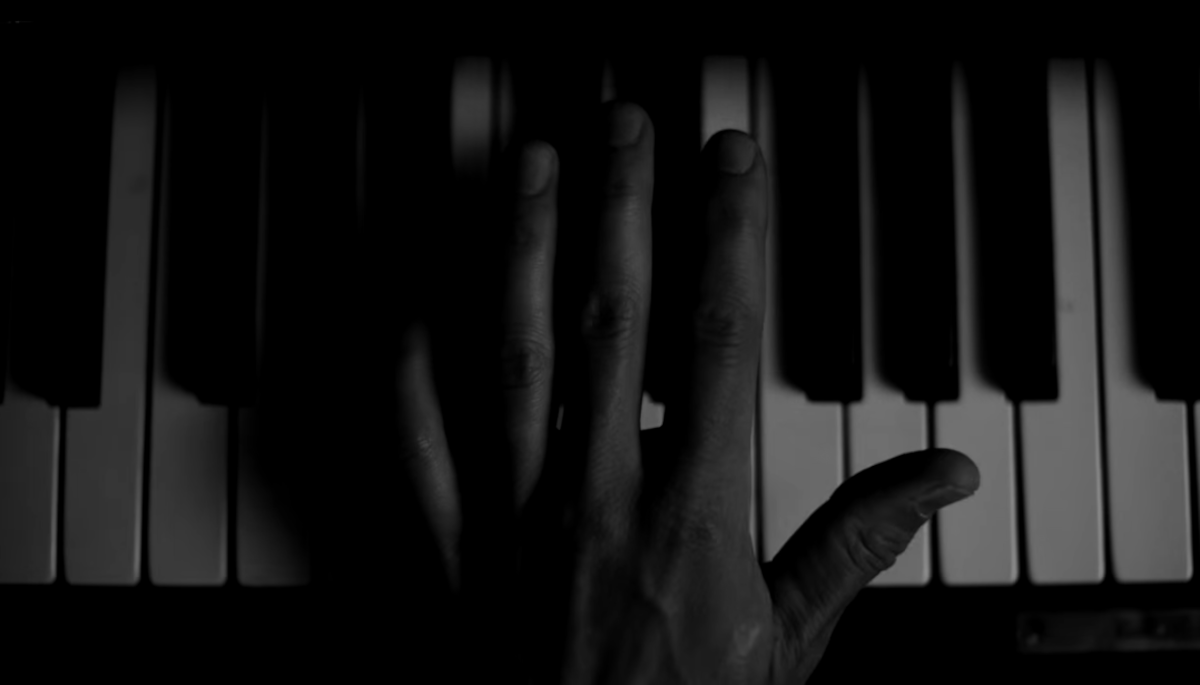
Bill’s family, including his older brother Harry, who is found dead during one of the film’s occasional flash-forwards into the luridly coloured 1970s, are no more prone to big emotional outbursts than he is. They all want to help, but how do you help someone who won’t help himself?
Bill Pullman and Laurie Metcalf as his parents seem at first to be so entertainingly ordinary that you wonder how they could have sired such a sensitive exalted creature as one of the great musicians of the twentieth century. But like their son, they soon start to show chinks in their armour.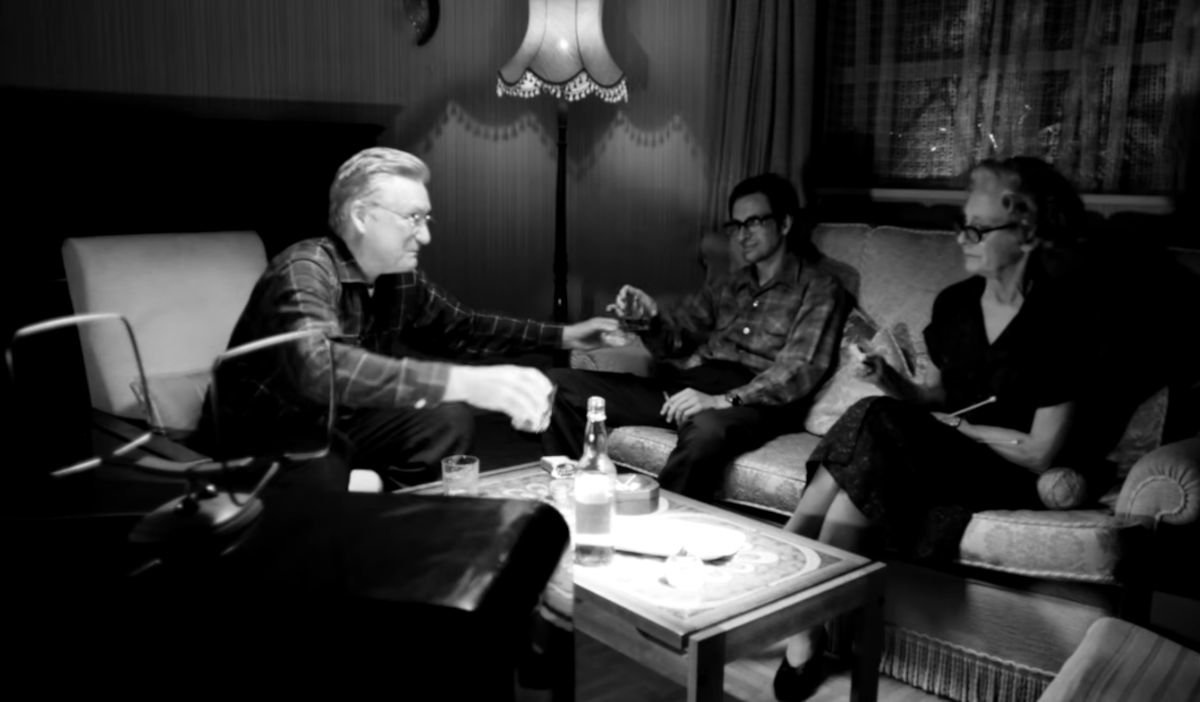
Everybody may dig Bill Evans the artist, but this film is surprisingly indifferent to his actual art, except as a therapeutic device. Bill Evans the human being is a quietly fascinating mess, his life strewn about the screen with expressive cinematography, unobtrusively imaginative direction, and the kind of acting performances that have awards voters and general audiences weeping in harmony.
-Stew Mott-