
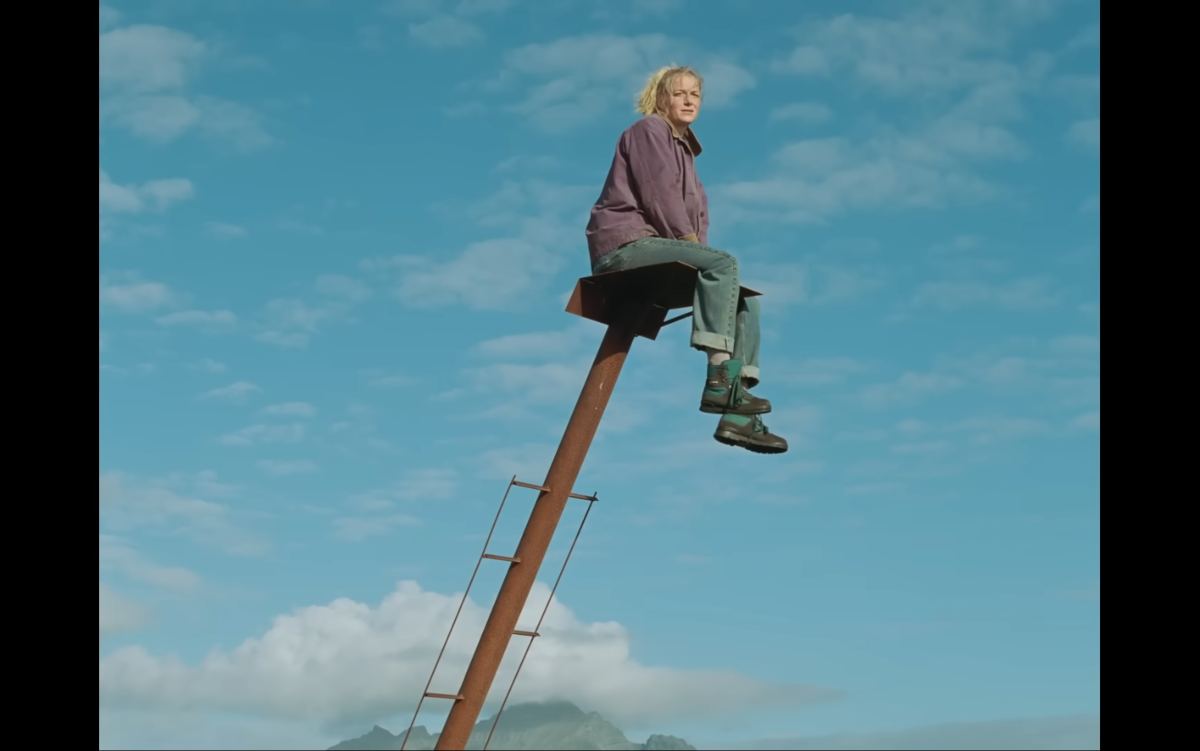
At first these domestic tableaux contain every member of the family, at work, rest and play. But one by one they leave the frame until someone is alone, or editor Julius Krebs Damsbo cuts away to a close-up. It’s a simple but effective technique for easing us into the painful and ultimately surrealistic process of atomisation – the end credits play over a final shot of devastating inconclusiveness. A new development here is that Pálmason’s static shots are sometimes captured from a moving vehicle so that the background can roll queasily about, the fixity of the foreground mocked or at least challenged by the mutability of what lies behind.
The setting is initially bathed in warm, bracing sunlight, clear depth of field keeping the focus on both characters and landscape alike in an unspoilt three-dimensional perspective. But then an aerial point of view, or even a handheld video-diary shot, rudely interrupts this omniscient pictorial scheme with a subjective notion even it hadn’t thought of.
The family lives on the Icelandic coast, one of those liminal locations that symbolise the more gradual sense of change imposed by the actual plot. The father, Magnús, works on an industrial trawler, so he’s out of the picture half the time before the story even gets started, lost to the cruel mistress of the sea (not to mention the cruel imperative of making a living). He clings to the hope of reconciliation like it’s a jib, until his subconscious is his only escape.
Pálmason’s piquant yet perspicacious script hints at the troubles ahead, impregnating idle conversations with thematic clues about the dangers of hiding the truth, the ironic optimism of making future plans, and the idea of new life being teased and then wickedly torn away. Composer Harry Hunt’s jazzy improvisational piano, accompanied like a casual lover by hesitant woodwind, describes a playful kind of sadness, trying to enjoy the little adventures of the present but always lamenting happier times past.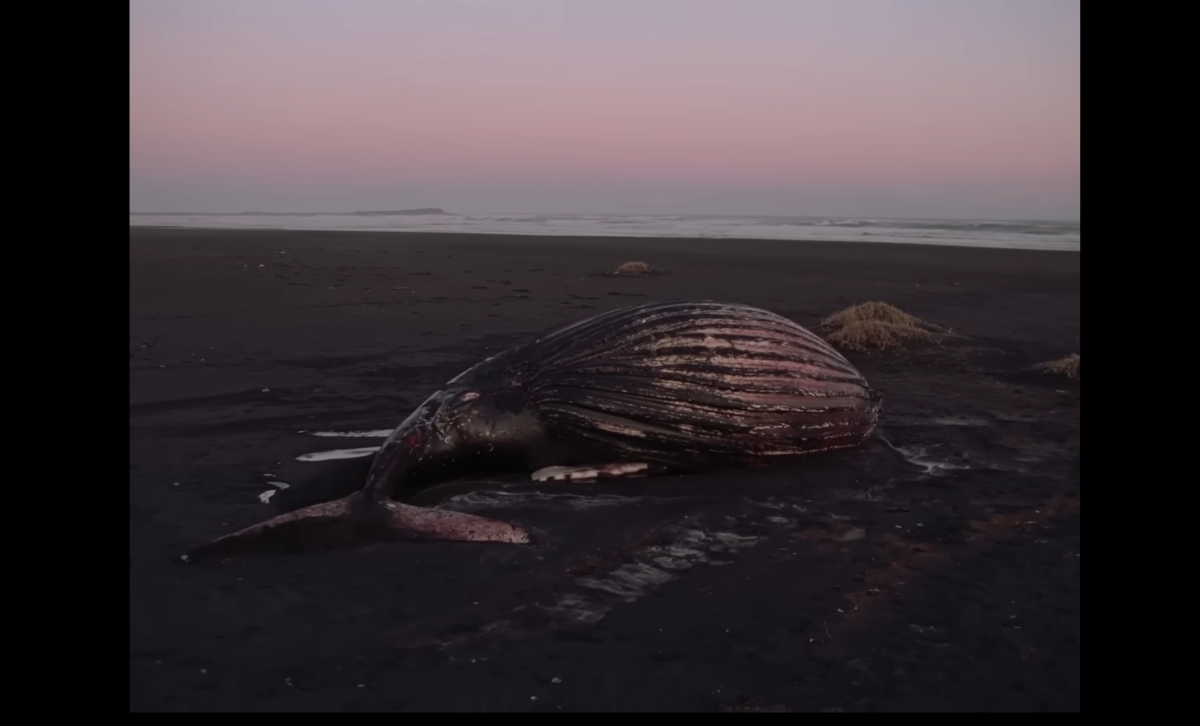
Mum Anna is a struggling artist, her guardedly cheerful outlook a warning that ‘living your best life’ isn’t all it’s cracked up to be. Teenage daughter Ída and twin boys Þorgils and Grímur strive to revel blissfully in a modest paradise of good-humoured unruliness, and even the dog Panda spends as much time as possible rolling around in joyous canine abandon. There’s something heroic about their attitude, but even they aren’t immune to the increasing evidence of their eyes.
The Love That Remains is like a dinner party hosted by a married couple who are on the verge of divorce, but who’ve vowed not to tell any of their friends about it. But instead of simply revealing the underbelly of marital discord in a black comedy of manners, Hlynur Pálmason prefers to scour this big joke for more than just a punchline. He’s fallen dangerously in love with his endearingly normal heroes, and wants to share that feeling with us even if they struggle with it themselves, and even if the universe has already twisted fate against them.-Stew Mott-