Supergroups as a mainstream proposition appear seem to have largely become a thing of the past, in part due to the music industry’s latter-day solo performer-centric focus and brute economics. Therefore, it has fallen to veterans operating in more independent imprint spheres to keep such convergences alive.
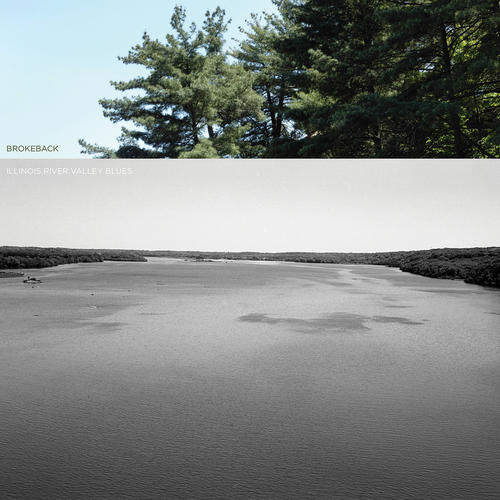
Thanks to the increasing technological ease of long-distance collaboration and compulsions to sustain comradely connections amidst or after other life / art commitments, this has led to a light but substantial flurry of activity from combinations of artists with plenty of outside pedigree and parallel commitments, such as the below. Reuniting – albeit remotely — for their first new record since 2001’s hugely underrated Viewfinder comes the matter-of-factually-anointed third album from Pullman via Western Vinyl. III funnels, once more, the considerable talents and weighty CVs of Ken ‘Bundy K’ Brown (Tortoise, Directions, Gastr Del Sol, Bastro, Loftus and more), Chris Brokaw (Come, Codeine, Lupo Cittá and even more), Curtis Harvey (Rex, Loftus), Doug McCombs (Tortoise, Brokeback, Eleventh Dream Day, Black Duck, et al) and Tim Barnes (a solo trader and respected drums/percussion accomplice to Jim O’Rourke, Silver Jews, Wilco, ad infinitum).
Inevitably far less ‘in-a-room’ sounding than the smorgasbord electro-acoustic instrumental presentations of Viewfinder and the relative sparsity of 1998’s preceding Turnstyles & Junkpiles, this is certainly the most otherworldly and atmospheric assemblage in Pullman’s slender but important catalogue to date. With Brown adroitly editing, mixing and melding all manner of guitars, bass, bass VI, drums, percussion, loops, field recordings and electronic elements, from remote intra-band file exchanges between Louisville, Chicago and New York, III possess mirage-like qualities as it shimmers in and out of aural manifestation.
With one fleeting prologue piece (the fuzzy discordant “Bray”) and two short epilogues (the airy chiming “Valence” and the beatific banjo-led spiralling “Kabul”) loosely-framing the overall outline, the real core of the LP flows through three sublime and increasingly stretched-out set-pieces. This central passage begins with six minutes of the aptly-anointed “Weightless”, which glides gorgeously across sliding and bending electric guitar seams, meshes of unplugged fretboard flickering, gentle percussive pattering and some inscrutable textures.In its wake comes the calmingly hypnotic eight-minute midpoint of “Thirteen”, featuring Harvey’s central guitar motif encircled by backwards treatments as well as twin bass lines from Brown and McCombs. Critical mass is subtly reached via the thirteen or so minutes of “October”, wherein barely-there ambience bleeds into preternatural trancing and twangling guitar entanglements from Brokaw, Harvey and McCombs like a lost hook-up between Ry Cooder, Robert Fripp and Manuel Göttsching.
Serious-headed but warm-hearted, III is a belatedly arriving but rewarding chapter in the Pullman story. Whilst the prospects of constructing a sequel set seem uncertain, it does satisfyingly signify the further re-emergence of Ken Brown after a number of years away from visibly active sonic duty, with more new projects promised to follow in his pipeline.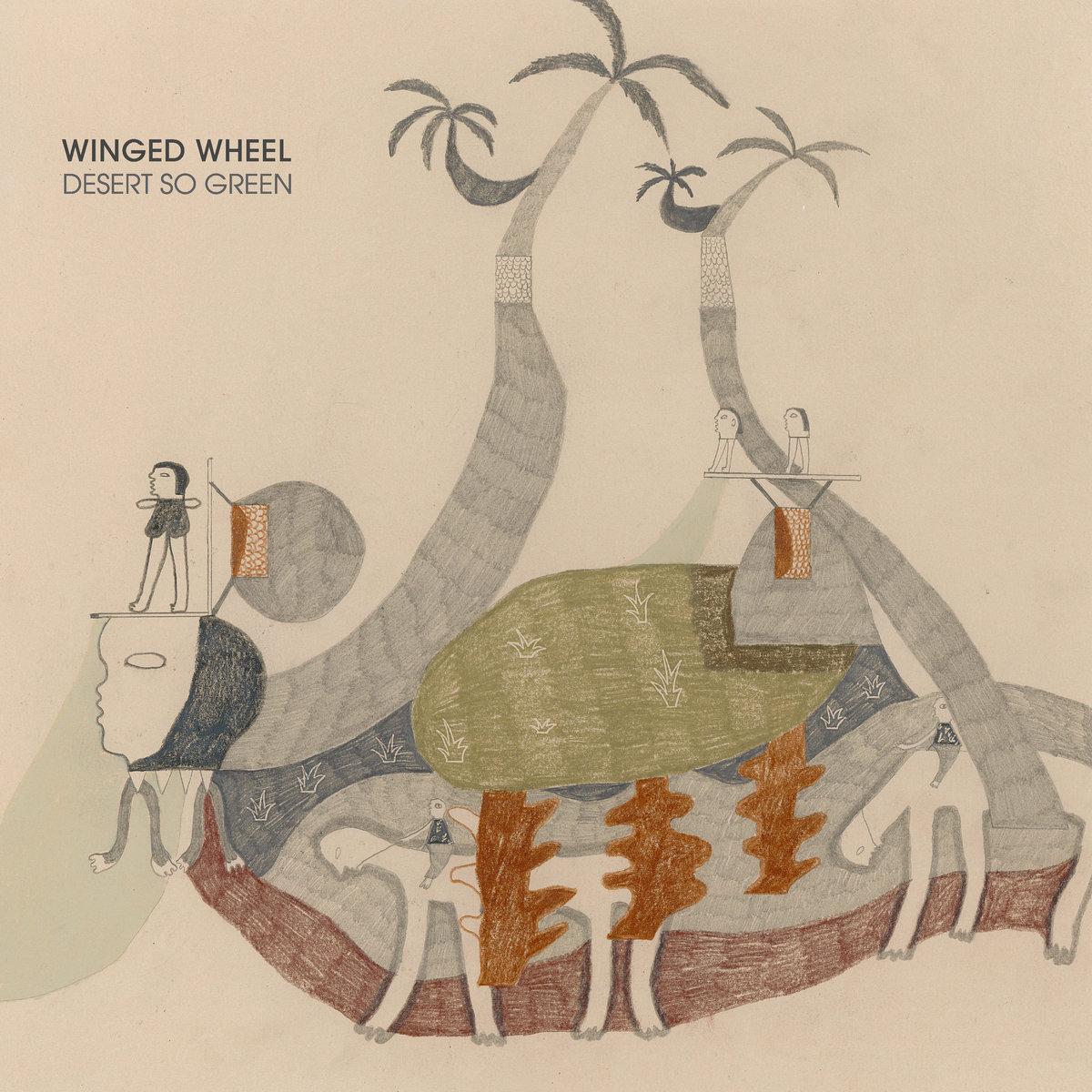 Although getting hold of 12XU’s physical releases — affordably and logistically — is an ongoing challenge for UK and European collectors, Matador co-founder Gerard Cosloy’s long-running side-hustle has undeniably been an enterprise worth monitoring more closely in recent years.
Moving even further beyond distance recording and looser membership beginnings, the newly-dispensed Desert So Green was corporeally conceived in a Chicago studio last year by a now seemingly settled line-up. This roll call comprises of Whitney Johnson (Matchess, Circuit des Yeux), Cory Plump (Spray Paint), Matthew J Rolin (solo voyager, Powers / Rolin Duo), Steve Shelley (Sonic Youth), Lonnie Slack and Fred Thomas (Idle Ray, Tyvek).
The result is an open-ended and labyrinthine yet richly rendered and cohesive affair. Opening with the wordless wraparound “Canvas 11” — which meshes Durutti Column ethereality with Suss-imbued ambient Americana and simmering early Tortoise percussiveness — dark magnetic allure is there from the start. Thereafter, the album unfurls with diverse displays of pent-up but never overtly discharged tension. Thus, for the remainder of proceedings we’re taken through rubbery and clanking guitar matrices married to murmured Kim Deal-style vocals (“Canvas 2” and “Bird Spells”); murky echoes of Sister-to-Daydream Nation-era Sonic Youth (“Speed Table”); prowling languid imaginings of Joy Division swathed in shoegaze gauze (“More Frog Poems” and “Beautiful Holy Jewel Home”); eerie slowed-down psych-rock (“Canvas 8”); primordial A Certain Ratio-laced post-punk-funk (“I See Poseurs Every Day”); and drowsy incantations set into This Heat-baked abstractions (“The Suite Goes Quiet”).Curiously, the amorphous disposition of Desert So Green means that different reference points seem to surface on each successive spin, making it an enigma that invites repeat attempts at decoding its intricacies. Whichever auditory combinations appear though, this is a collection that commands the senses with absorbing hive-minded intensity.
-Adrian-