
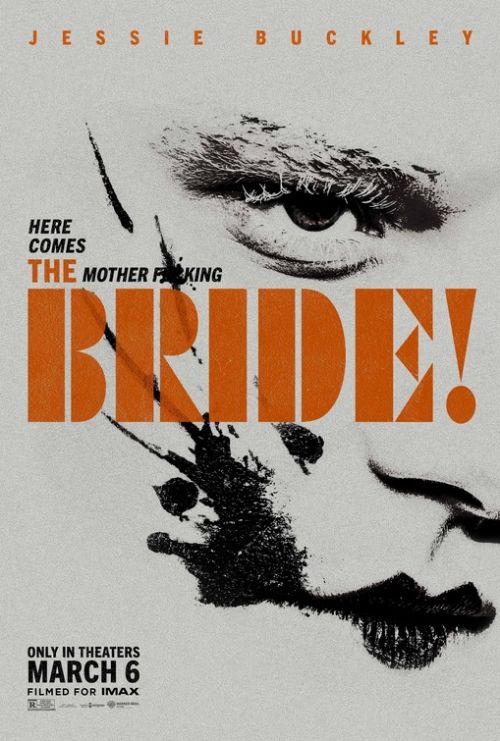
 The Gothic romance of James Whale’s 1935 horror classic The Bride Of Frankenstein is drastically relocated to Prohibition-era Chicago and New York, although that element of camp which made the original such a beloved cult item remains intact, and the new setting offers a sly metatextual nod to the era in which it was made.
Christian Bale sports a pile of putty as Frankenstein’s monster (his friends call him Frank), who seeks the help of scientist Dr Euphronius (a worldly-wise but surprisingly game Annette Bening) to bring a murdered woman named Ida (a fantastic Jessie Buckley, possessing the screen like a demon) back from the grave to be his companion and partner in [pullthis id="revolution"]social revolution.
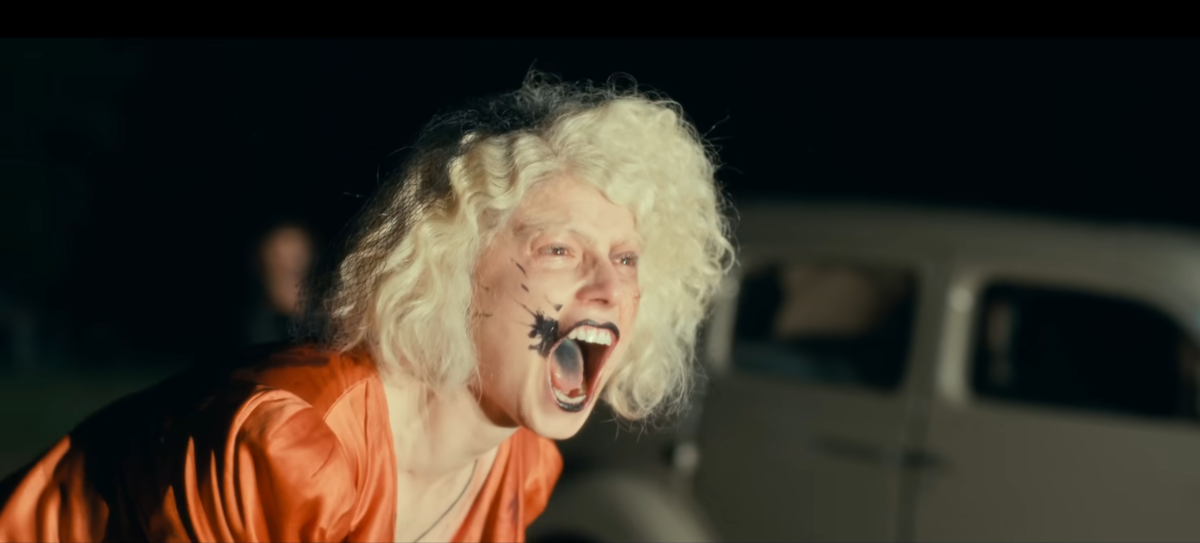
In shocking comparison to her much more subdued debut The Lost Daughter, the director indulges in quite a few over-stylised and perhaps superfluous visual impulses, fully justifying the film’s titular exclamation mark. These usually take the form of glimpses through the Bride’s mind’s eye of abstract imagery or of frustrated oath-laden missives from Shelley the real-life Creator as she struggles to negotiate the flux of her bizarre new reality.
Still, many of the traditional beats you’d expect from this old song are hit, albeit with peculiar syncopation. It’s just that Gyllenhaal’s dedication to the principle that they should mean something beyond the cheap thrill of audience recognition brings it all gloriously, sometimes absurdly, to life. What’s more, her melting pot of cine-literacy is broad (if not necessarily deep) enough to include The Thin Man, Bonnie And Clyde, Young Frankenstein and even Michael Jackson’s “Thriller”.
But cinematographer Lawrence Sher also likes to put the camera at a low angle for the wider shots, instructing our collective unconscious that these broken people are the heroes of this story, at least. Between this primary theme and Karen Murphy’s intricate set designs, this is not so much an invasion into Tim Burton territory as a conquest of it, complete with a new flag and trains that run on time.
Gyllenhaal makes a virtue of the often-derided practice of re-examining the past through a modern and critical lens, assiduously labouring the point that for all the progress made since Shelley’s time (not to mention since the 1930s), there’s still a very long way to go. However, despite the droll double act of Peter Sarsgaard and Penélope Cruz, their police investigation subplot somewhat gilds the film’s already eyecatching funeral lily.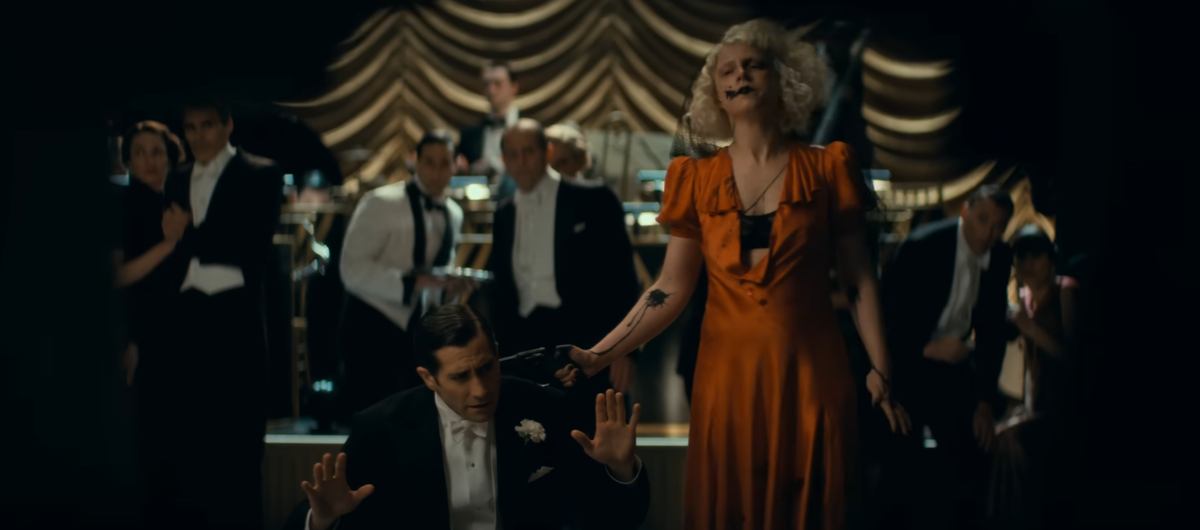 Jessie Buckley is a tornado of ferocity and scabrous wit, and that’s before she’s even killed and brought back from the dead. If it weren’t for the kernel of vulnerability at the core of her character, not to mention the cruel gears of the plot chewing her up and spitting her out, you’d almost feel sorry for her patriarchal scumbag assailants.
Following her director’s general example, Buckley incorporates similar paroxysms of strange theatricality into her protean post-mortem performance, her apparent improvisations an instinctive coping mechanism for Ida. Fortunately, she’s never played a false note in her entire career, and that emotional authenticity grounds both her artistic transgressions and Ida’s social transgressions.
Meanwhile, Christian Bale’s Frankenstein (named after his long-dead ‘father’, of course) is a sensitive, softly-spoken foil for Buckley’s dazzling virago. He plays him like a convict recently released from a lengthy prison sentence, someone who’s terrified of his own temper, and who’s trudged through all the circles of Hell and come out endearingly desperate to be human.Between his apologetic entreaties and her impatient dismissals, their unique chemistry makes for a meet-cute as compelling, entertaining and (to a certain cast of mind) delightful as anything the likes of Richard Curtis or Nora Ephron might churn up. But the threat of division lingers in their torrid sex scenes, carved up by editor Dylan Tichenor into as many parts as Frank himself comprises.
Like a lot of great horror of all eras, The Bride! is fascinated enough with monsters that it treats them as real people, for better and worse. However, this noble goal is achieved with a volatile combination of unflinching moral honesty, endless sympathy for its devils and, crucially, a twisted sense of humour that lightens a heavy thematic load. The film may have bitten off more than it can chew, but it does choke on and then cough up some brilliantly colourful chunder.-Stew Mott-


